Authorized AI retinal tools answer a specific screening question; they do not replace comprehensive eye care.
The workflow
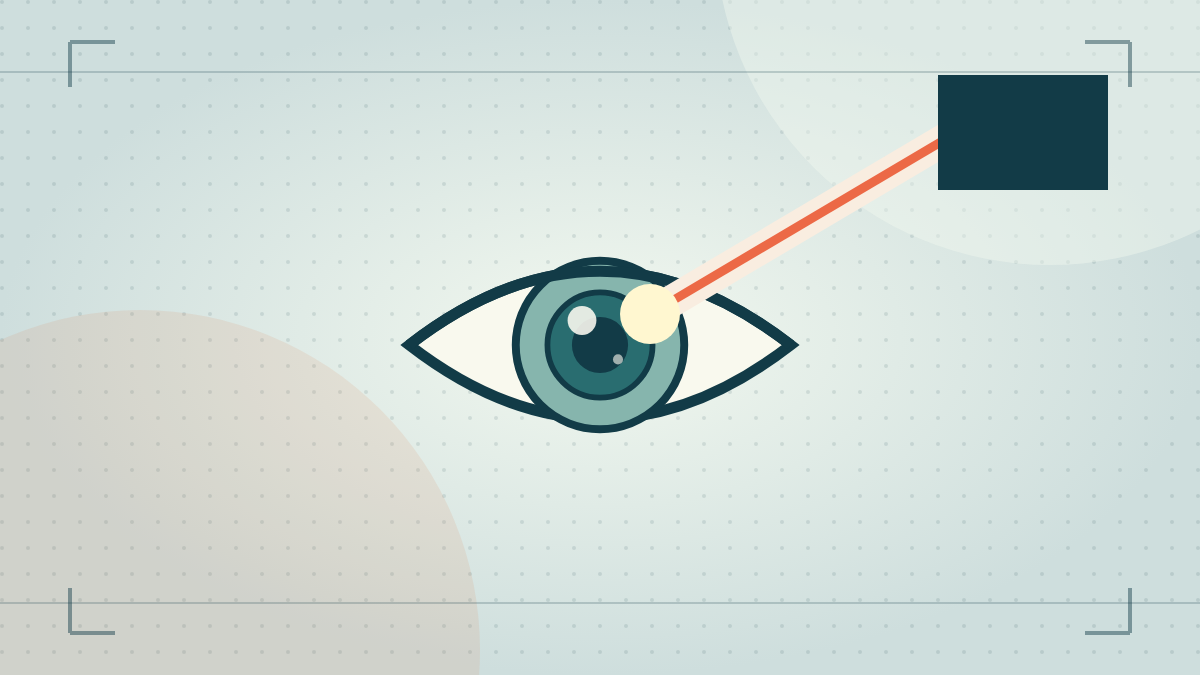
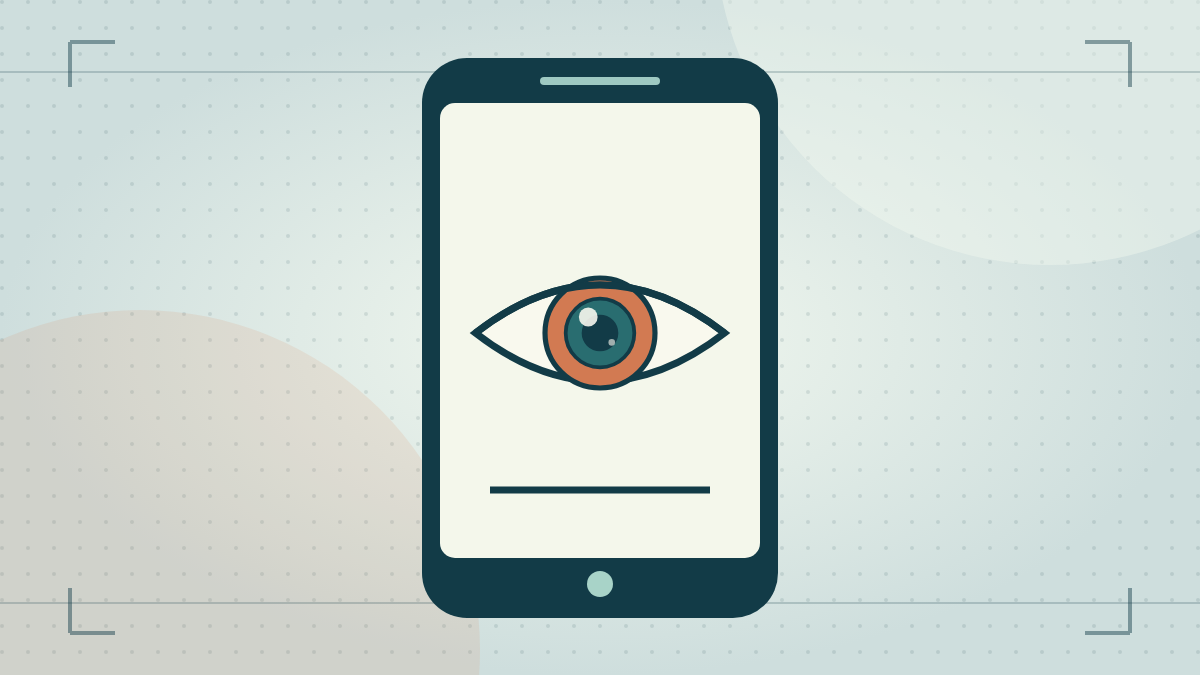
A retinal camera takes photographs of the back of the eye. An authorized AI device can analyze suitable images for a defined finding, such as referable diabetic retinopathy, and return a screening decision. This can help bring screening to settings that do not have an eye specialist on site.
The device’s authorization, patient group, image-quality rules, and next-step instructions matter. “AI looked at my retina” is not the same as a complete eye-health assessment.
What happens after a result
A positive or ungradable result generally requires referral according to the device and local care pathway. A negative result addresses the condition the tool was designed to detect; it does not rule out every eye disease or remove the need for routine exams.
Common questions
Can AI diagnose every eye condition from one photo?
No. A device is designed and authorized for specific uses, patient groups, and image conditions. A result about diabetic retinopathy does not automatically assess glaucoma, cataracts, or every retinal disease.
What does an ungradable image mean?
It means the system could not make a reliable screening decision from the supplied image. The next step is usually another image or referral according to the local protocol; it should not be treated as a negative result.
For persistent changes or symptoms, arrange an eye examination. Seek urgent medical care for sudden vision loss, a new curtain or shadow, many new floaters with flashes, severe eye pain, an eye injury, or sudden double vision.
Sources & further reading
This is general educational content based on the linked sources. It is not a diagnosis, prescription, or a substitute for advice from your own eye-care professional. See an error? Contact us.