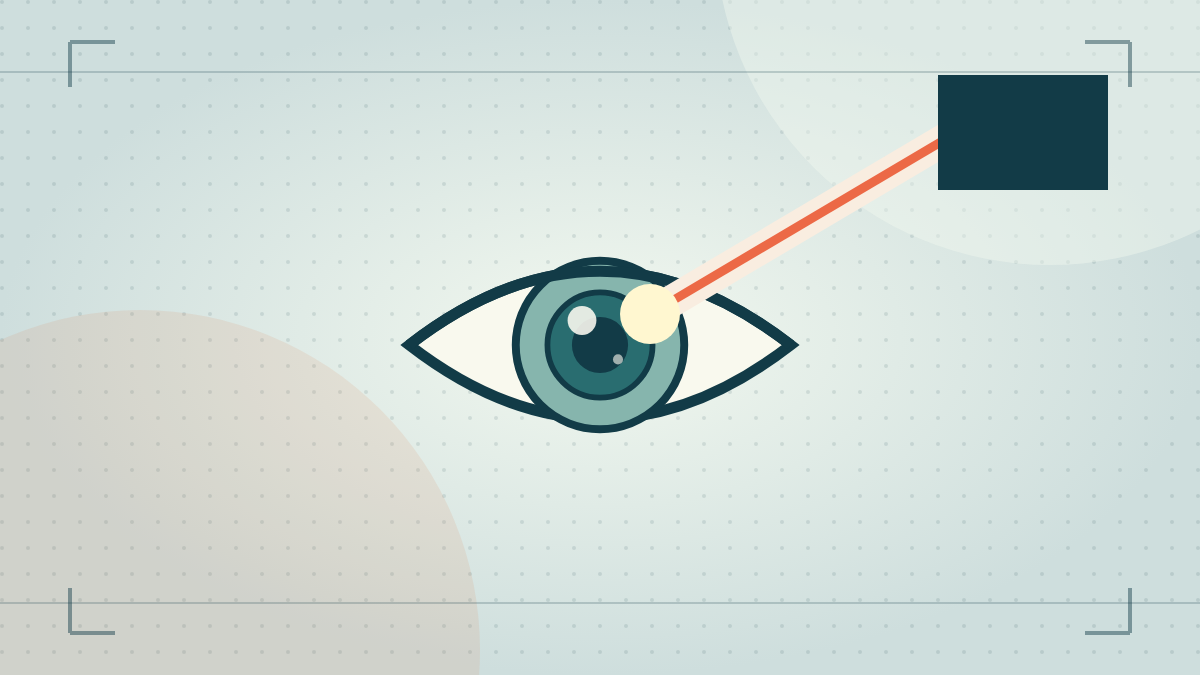
A qualified surgeon must assess prescription stability, corneal health, dry eye, and personal risks.
How it works
LASIK reshapes the cornea so light focuses more accurately on the retina. It is used for selected refractive errors such as myopia, hyperopia, and astigmatism. The goal is reduced dependence on glasses or contacts; it does not prevent age-related near-vision changes or other eye diseases.
A proper evaluation includes more than a home acuity score. The surgeon measures the cornea and reviews eye health, prescription stability, and expectations.
Questions before deciding
Ask about alternatives, recovery, possible dry eye, glare or halos, and the chance you may still need glasses. Some people are not good candidates. Read the FDA’s patient information and discuss your individual risks with a qualified surgeon.
Common questions
Will LASIK mean never wearing glasses again?
Not necessarily. Some people still need glasses for certain tasks, and age-related near-vision changes can develop later. Ask a surgeon what outcome is realistic for your prescription and age.
Why does dry eye matter before surgery?
LASIK can cause or worsen dry-eye symptoms in some people. A preoperative assessment checks the eye surface and helps determine whether another approach, treatment first, or no surgery is safer for you.
For persistent changes or symptoms, arrange an eye examination. Seek urgent medical care for sudden vision loss, a new curtain or shadow, many new floaters with flashes, severe eye pain, an eye injury, or sudden double vision.
Sources & further reading
This is general educational content based on the linked sources. It is not a diagnosis, prescription, or a substitute for advice from your own eye-care professional. See an error? Contact us.