Cataracts can be evaluated in an eye exam; surgery is considered when they interfere with daily life.
The cloudy lens
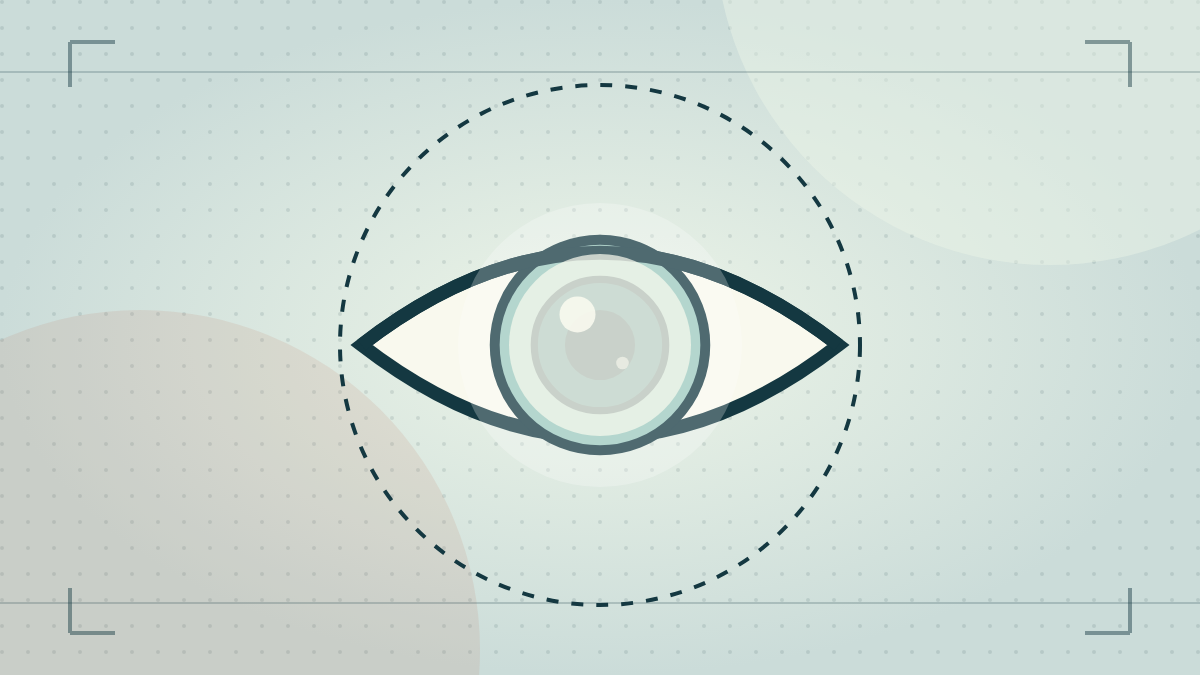
A cataract is clouding of the eye’s natural lens. It often develops gradually with age. Vision may become hazy, colors less vivid, and headlights more glaring at night. Changing glasses may help for a time, but an exam is needed to separate a cataract from other causes.
Cataracts are among the leading causes of vision impairment worldwide. A home acuity score alone cannot show whether the lens is cloudy.
Treatment is a personal decision
When a cataract makes reading, driving, or other important tasks difficult, an eye doctor may recommend surgery to replace the cloudy lens with an artificial one. Discuss benefits, risks, and lens choices with your surgeon. Sudden vision loss is not typical of a slowly developing cataract and needs urgent assessment.
Common questions
Can stronger glasses remove a cataract?
A new prescription may improve clarity for a while, but it cannot remove the cloudy lens. Surgery is the treatment that replaces that lens. The decision usually depends on how much the cataract affects daily life and the results of an eye examination.
Is glare at night always a cataract?
No. Glare can have several causes, including dry eye or an outdated prescription. A clinician can examine the lens and eye surface to work out what is contributing. Avoid driving if glare makes it unsafe.
For persistent changes or symptoms, arrange an eye examination. Seek urgent medical care for sudden vision loss, a new curtain or shadow, many new floaters with flashes, severe eye pain, an eye injury, or sudden double vision.
Sources & further reading
This is general educational content based on the linked sources. It is not a diagnosis, prescription, or a substitute for advice from your own eye-care professional. See an error? Contact us.