A clear central vision chart result does not rule out glaucoma; regular eye exams matter for people at risk.
More than a pressure number
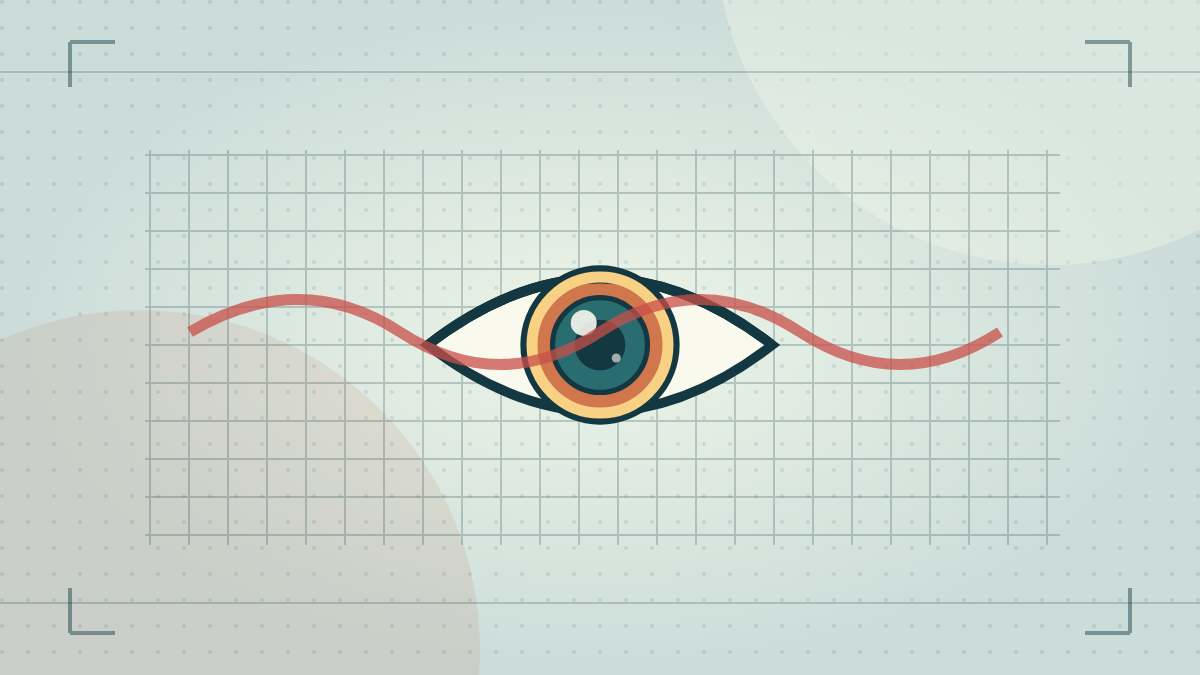
Glaucoma is a group of diseases that damage the optic nerve. Many forms develop without obvious early symptoms. Side vision can be affected while the center still seems clear, so reading an eye chart well is not a reliable way to rule it out.
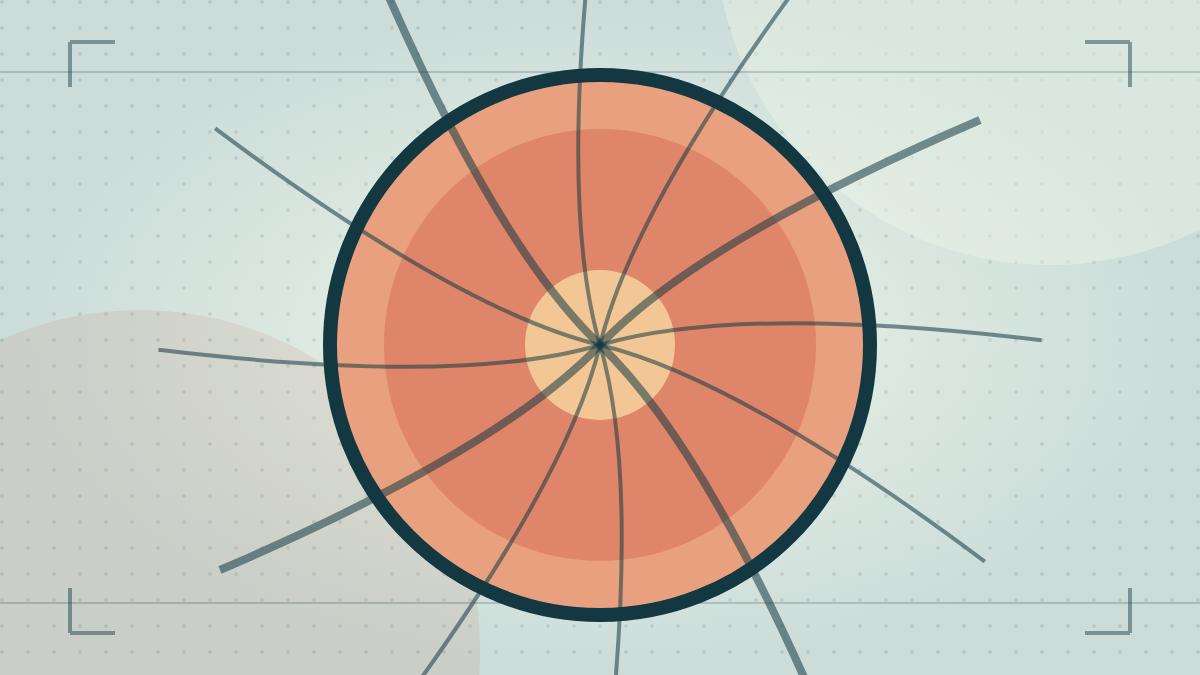
An eye-care professional may check eye pressure, inspect the optic nerve, and use visual-field or imaging tests. Risk and follow-up schedules vary between people.
Why treatment starts early
Treatment can often stop or slow additional damage, although lost vision usually cannot be restored. Eye drops, laser treatment, and surgery are possible approaches. Sudden severe eye pain with nausea, red eye, or blurred vision needs emergency care.
Common questions
Would an online eye chart detect glaucoma?
Often not. Common forms can affect peripheral vision while central chart reading stays good. Screening and diagnosis require professional tests chosen for your risk and findings.
Can glaucoma-related vision loss be reversed?
Vision already lost to optic-nerve damage is generally not restored. Treatment aims to preserve remaining sight by slowing or stopping further damage. This is why follow-up and using prescribed treatment consistently matter.
For persistent changes or symptoms, arrange an eye examination. Seek urgent medical care for sudden vision loss, a new curtain or shadow, many new floaters with flashes, severe eye pain, an eye injury, or sudden double vision.
Sources & further reading
This is general educational content based on the linked sources. It is not a diagnosis, prescription, or a substitute for advice from your own eye-care professional. See an error? Contact us.