Astigmatism is a refractive error and can often be corrected with glasses or contacts.
Why focus changes
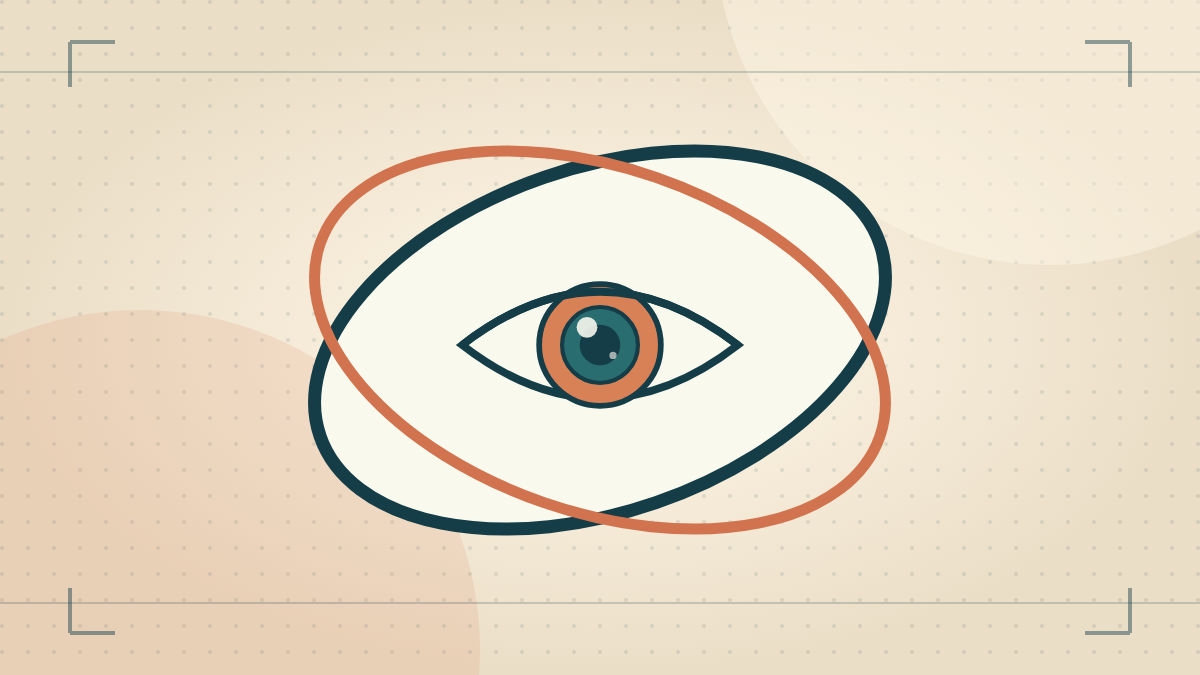
Astigmatism happens when the shape of the cornea or lens makes light focus unevenly on the retina. Objects may look blurry or distorted at more than one distance. It can occur alongside nearsightedness or farsightedness.
Squinting, eye strain, headaches, and trouble seeing at night can occur, but they are not specific to astigmatism. An eye-care professional checks the prescription and eye health to find the actual reason for symptoms.
Getting clearer vision
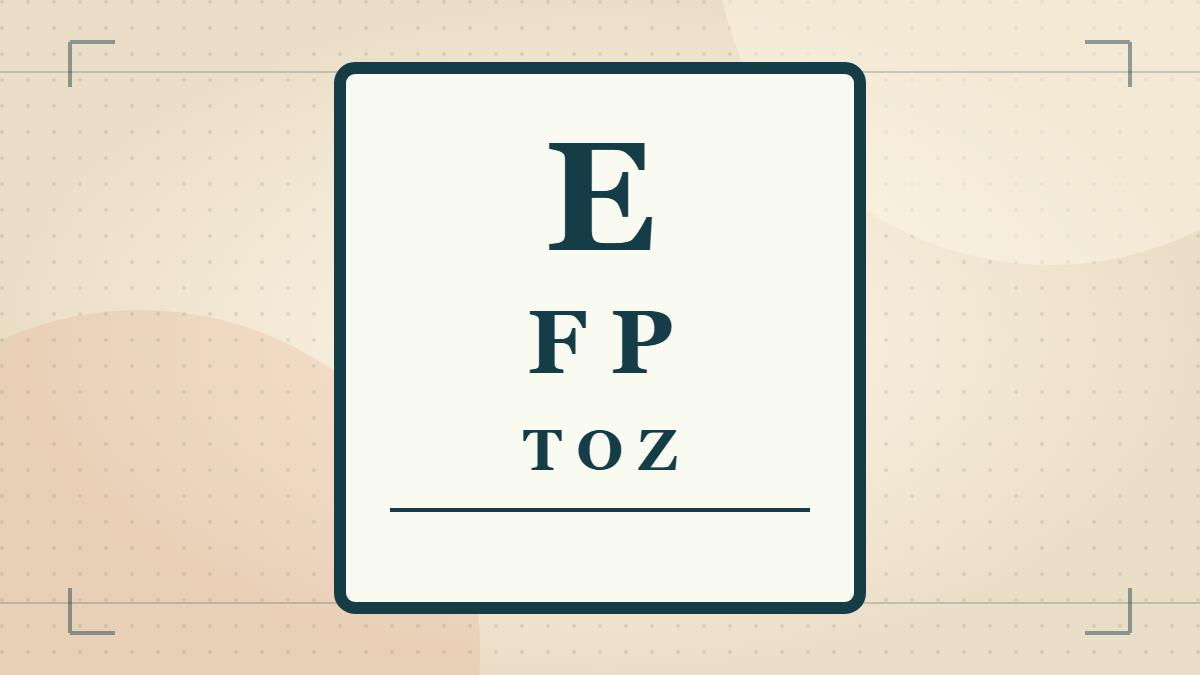
Glasses and properly fitted contact lenses commonly correct astigmatism. Some people may discuss refractive surgery with an eye doctor. An online chart may show blur but cannot calculate the cylinder and axis values needed for a prescription.
Common questions
Does astigmatism always affect distance vision?
It can make both near and far objects look blurred or distorted, though the experience varies. A person can also have astigmatism together with myopia or hyperopia. The exact correction comes from a professional refraction.
Can a phone test calculate cylinder and axis?
A simple acuity chart cannot. Cylinder and axis describe the amount and orientation of astigmatism correction. They require a proper refraction and sometimes additional measurements; guessing them from a blurred letter is unreliable.
For persistent changes or symptoms, arrange an eye examination. Seek urgent medical care for sudden vision loss, a new curtain or shadow, many new floaters with flashes, severe eye pain, an eye injury, or sudden double vision.
Sources & further reading
This is general educational content based on the linked sources. It is not a diagnosis, prescription, or a substitute for advice from your own eye-care professional. See an error? Contact us.