A home acuity check may flag a change, but only a professional exam can evaluate eye health and prescribe correction.
Useful as a repeatable screen
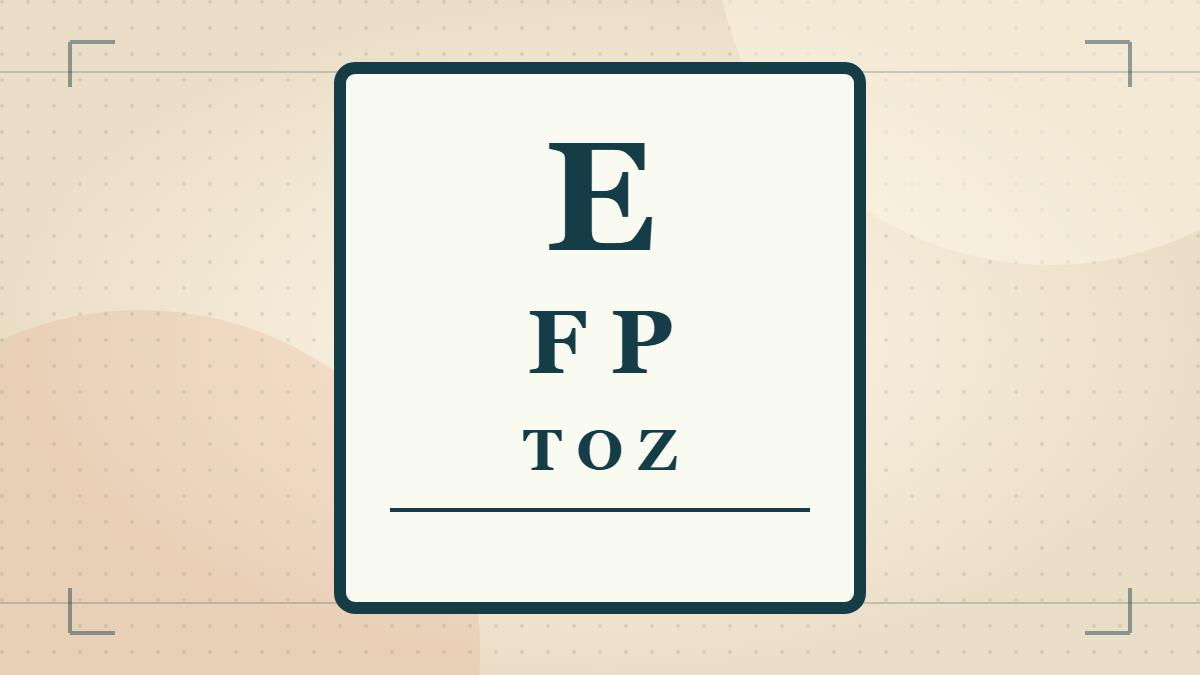
A carefully calibrated digital chart can help compare how clearly each eye identifies symbols at a fixed distance. Repeat checks made with the same screen, ruler calibration, lighting, and correction can be more informative than one isolated score.
Home results are sensitive to measurement error, browser zoom, display quality, fatigue, and guessing. Vision Checker’s Tumbling E flow is a screening tool, not a validated clinical chart or a way to generate a prescription.
What a chart cannot see
Some eye diseases have few early symptoms and can be present despite sharp central vision. A comprehensive dilated examination looks beyond the letters: eye structures, retina, and other signs of disease. Use a concerning home result as a reason to arrange care, not as the final answer.
Common questions
Why calibrate a digital chart with a ruler?
A web browser does not know the physical size of every display pixel. A real-world reference helps the tool draw symbols at the intended size. Moving the screen, changing zoom, or using a different display after calibration changes the result.
What if the two eyes give different results?
Repeat the test under the same conditions while covering each eye gently, without pressing on it. If the difference persists or is new, arrange an eye exam. Sudden one-eye vision loss is urgent.
For persistent changes or symptoms, arrange an eye examination. Seek urgent medical care for sudden vision loss, a new curtain or shadow, many new floaters with flashes, severe eye pain, an eye injury, or sudden double vision.
Sources & further reading
This is general educational content based on the linked sources. It is not a diagnosis, prescription, or a substitute for advice from your own eye-care professional. See an error? Contact us.